Besoin d'aide ou de conseils sur nos produits MOSAIK ?
Conseils d'experts et science de la peau

Profitez de connaissances expertes en matière de soins de la peau et d'une science avancée, fusionnées de manière unique avec la sagesse des rituels de soins de la peau japonais et une formulation intelligente des ingrédients.

Dans cette section, vous trouverez des conseils fiables d'experts de premier plan, des astuces pratiques ancrées dans les rituels japonais et des ressources éducatives pour vous aider à comprendre votre peau unique.

Comprendre votre peau

Comprendre votre origine ethnique génétique (ascendance) peut non seulement vous aider à comprendre votre peau et à répondre à des préoccupations cutanées spécifiques, mais aussi vous donner un aperçu des mesures de soins préventives efficaces. Bien que la pigmentation visible (niveaux de mélanine) reflète plus fréquemment l'état de la peau et sa susceptibilité à certains problèmes cutanés, ce n'est pas le seul facteur de causalité. Il est également essentiel de comprendre la contribution que votre état de bien-être général a, à la fois de manière holistique et englobante.
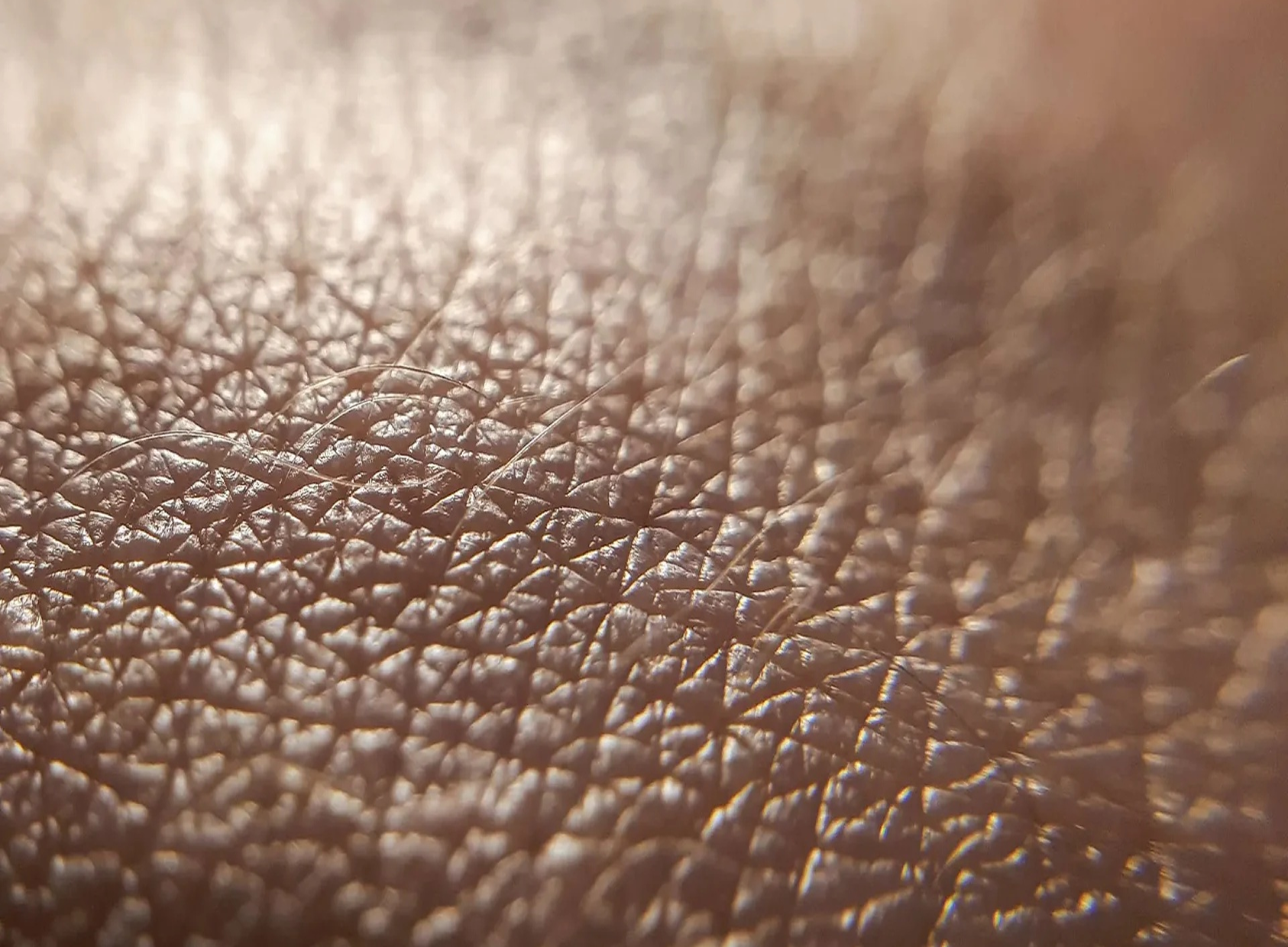
Différences des affections cutanées

Cliquez ci-dessous sur un problème de peau pour en savoir plus :

Acne / Breakouts
Ageing & Hyperpigmentation
Balanced Skin
Burns Very Easily and Quickly
Combination Skin (All)
Dark Circles
Dark Spots
Dryness
Dull Skin
Fine Lines / Ageing
Hormonal Skin Concerns
Hyperpigmentation
Large Pores
Loss of Firmness
Never Burns
Oiliness / Large Pores
Other
Pollution
Rarely Burns
Redness / Irritation
Sensitivity
Usually Burns
Acne / Breakouts

Acne / Breakouts

Acne is caused by any blockage of a pore on the skin's surface, there are multiple different types of acne. These obstructions can be caused by individual or combinations of matter including excessive sebum, dead skin cells, bacteria and/or dirt, and can result in inflammation and/or irritation.

Ageing & Hyperpigmentation

Ageing & Hyperpigmentation

Ageing & Hyperpigmentation refer to the chronological effects that influence the skin’s condition, tone, and overall health. The loss of elasticity, tone, brightness, and strength can all be the result of chronological ageing. Hyperpigmentation is the darkening of skin pigment, in comparison to the natural occurring pigment colour of the skin. This can be a result of photodamage, hormonal changes, age, as well as external and/or internal pollutants and/or stressors over the period of a lifetime.

Balanced Skin

Balanced Skin

Refers to skin that has well-balanced sebum and moisture production - it is not too oily and not too dry. Balanced skin has refined pores and no visible blemishes, flaky areas or oily spots.

Burns Very Easily and Quickly

Burns Very Easily and Quickly

Exposure to ultraviolet radiation, UVA or UVB rays always and quickly causes damage to the skin. When the skin burns, not only does the surface appear red and often increase in temperature, it also causes damage to the skin cells. This surface damage can progress to DNA damage which is irreversible and can result in melanoma.

Combination Skin (All)

Combination Skin (All)

Just like the name suggests, this skintype is a combination of different skintypes and can range from very dry to very oily. Different regions of the face can have different skintypes, i.e. the T-zone can be oily with dry skin in alternate areas.

Dark Circles

Dark Circles

Skin under the eyes appears to be darker to that of surrounding areas. This can be caused by a multitude of extrinsic and/or intrinsic factors including lack of sleep, exhaustion, dehydration, or hyperpigmentation.

Dark Spots

Dark Spots

Dark spots are a type of hyperpigmentation. They usually refer to small, isolated marks—often caused by sun exposure (sun spots), post-acne marks (post-inflammatory hyperpigmentation), or healing blemishes. They tend to be surface-level and more defined in shape.

Dryness

Dryness

Dry skin is characterised by less production of natural sebum and as a result, the skin tends to be dry, rough, and sometimes cracked or flaky-looking. Dry skin is more susceptible to irritation and infection as a lack of moisture means that the skin’s protective barrier is compromised.

Dull Skin

Dull Skin

Dull skin is the consequence of an increased ratio of dead skin cells which appear dry and rough in texture. As a consequence, skin lacks luminosity and can have a lacklustre appearance.

Fine Lines / Ageing

Fine Lines / Ageing

The structure of the skin becomes increasingly thin over time due to intrinsic and extrinsic ageing effects, resulting in a depletion of collagen, elastin, and hyaluronic acid. These implications result in the skin becoming progressively dry as well as an increase in the presence of fine lines and wrinkles.

Hormonal Skin Concerns

Hormonal Skin Concerns

Hormonal skin concerns are often due to an imbalance in the bodies naturally occurring hormones such as progesterone, testosterone and estrogen. These hormones communicate with sebaceous glands (sebum production) and can result in adverse effects such as acne or hyperpigmentation.

Hyperpigmentation

Hyperpigmentation

Hyperpigmentation is the darkening of skin pigment, in comparison to the natural occurring pigment colour of the skin. This can be a result of photodamage, hormonal changes, age, as well as external and/or internal pollutants and/or stressors over the period of a lifetime.

Large Pores

Large Pores

Large pores are predetermined (genetic); however, how they appear may be influenced by intrinsic or extrinsic factors. Examples include, excessive levels of sebum being produced, ageing, overall condition of the skin, stress, inflammation and acne, and even lifestyle habits such as smoking.

Loss of Firmness

Loss of Firmness

The structure of skin becomes increasingly thin over time due to intrinsic and extrinsic ageing effects. This is a consequence of a depletion in collagen, elastin, and hyaluronic acid. The skin can consequently sag or appear crepey.

Never Burns

Never Burns

Exposure to ultraviolet radiation, UVA or UVB rays does not easily cause damage to the skin. Never burning suggests that there is no appearance of redness on the skin, and the likelihood of damage to the skin cells is reduced, this damage could otherwise progress to DNA damage which is irreversible and can result in melanoma.

Oiliness / Large Pores

Oiliness / Large Pores

Oily skin occurs where sebaceous glands produce excess sebum, consequently the individual is prone to breakouts, blackheads and acne. Pores are generally visibly larger and the skin surface shiny.

Other

Other

A skin concern that does not fit into any other defined category of concern, but is of a specific and notable concern to the individual.

Pollution

Pollution

Daily exposure to air pollution—like fine dust, smoke, and environmental toxins—can disrupt the skin’s natural balance, leading to skin that is highly reactive and sensitive. Skin can become dull, dehydrated, inflamed or prone to breakouts as the barrier function weakens.

Rarely Burns

Rarely Burns

Exposure to ultraviolet radiation, UVA or UVB rays rarely causes damage to the skin. Rarely burning suggests that there is an infrequent appearance of redness on the skin, and the likelihood of damage to the skin cells is reduced, this damage could otherwise progress to DNA damage which is irreversible and can result in melanoma.

Redness / Irritation

Redness / Irritation

Skin that changes in physical appearance and texture due to external or internal factors. For example, sunburn or blocked pores can result in inflammation, uneven surface, itchiness and irritation, and in severe cases, pain.

Sensitivity

Sensitivity

Sensitive skintypes have skin that becomes flushed and red easily, possesses dry patches, is easily itchy/irritated, and displays hypersensitivity to changes in weather (temperature). Sensitive skintypes often have difficulty switching products as they can react quickly to ingredients that are too harsh or irritating for their skin.

Usually Burns

Usually Burns

Exposure to ultraviolet radiation, UVA or UVB rays usually causes damage to the skin. When the skin burns, not only does the surface appear red and often increase in temperature, it can also cause damage to the skin cells. This surface damage can progress to DNA damage which is irreversible and can result in skin cancers.

Cliquez ci-dessous sur un problème de peau pour en savoir plus :

Acne / Breakouts
Acne / Breakouts
Ageing & Hyperpigmentation
Balanced Skin
Burns Very Easily and Quickly
Combination Skin (All)
Dark Circles
Dark Spots
Dryness
Dull Skin
Fine Lines / Ageing
Hormonal Skin Concerns
Hyperpigmentation
Large Pores
Loss of Firmness
Never Burns
Oiliness / Large Pores
Other
Pollution
Rarely Burns
Redness / Irritation
Sensitivity
Usually Burns
Acne / Breakouts
Acne / Breakouts

Acne is caused by any blockage of a pore on the skin's surface, there are multiple different types of acne. These obstructions can be caused by individual or combinations of matter including excessive sebum, dead skin cells, bacteria and/or dirt, and can result in inflammation and/or irritation.

Ageing & Hyperpigmentation

Ageing & Hyperpigmentation refer to the chronological effects that influence the skin’s condition, tone, and overall health. The loss of elasticity, tone, brightness, and strength can all be the result of chronological ageing. Hyperpigmentation is the darkening of skin pigment, in comparison to the natural occurring pigment colour of the skin. This can be a result of photodamage, hormonal changes, age, as well as external and/or internal pollutants and/or stressors over the period of a lifetime.

Balanced Skin
Balanced Skin

Refers to skin that has well-balanced sebum and moisture production - it is not too oily and not too dry. Balanced skin has refined pores and no visible blemishes, flaky areas or oily spots.

Burns Very Easily and Quickly

Exposure to ultraviolet radiation, UVA or UVB rays always and quickly causes damage to the skin. When the skin burns, not only does the surface appear red and often increase in temperature, it also causes damage to the skin cells. This surface damage can progress to DNA damage which is irreversible and can result in melanoma.

Combination Skin (All)

Just like the name suggests, this skintype is a combination of different skintypes and can range from very dry to very oily. Different regions of the face can have different skintypes, i.e. the T-zone can be oily with dry skin in alternate areas.

Dark Circles
Dark Circles

Skin under the eyes appears to be darker to that of surrounding areas. This can be caused by a multitude of extrinsic and/or intrinsic factors including lack of sleep, exhaustion, dehydration, or hyperpigmentation.

Dark Spots
Dark Spots

Dark spots are a type of hyperpigmentation. They usually refer to small, isolated marks—often caused by sun exposure (sun spots), post-acne marks (post-inflammatory hyperpigmentation), or healing blemishes. They tend to be surface-level and more defined in shape.

Dryness
Dryness

Dry skin is characterised by less production of natural sebum and as a result, the skin tends to be dry, rough, and sometimes cracked or flaky-looking. Dry skin is more susceptible to irritation and infection as a lack of moisture means that the skin’s protective barrier is compromised.

Dull Skin
Dull Skin

Dull skin is the consequence of an increased ratio of dead skin cells which appear dry and rough in texture. As a consequence, skin lacks luminosity and can have a lacklustre appearance.

Fine Lines / Ageing
Fine Lines / Ageing

The structure of the skin becomes increasingly thin over time due to intrinsic and extrinsic ageing effects, resulting in a depletion of collagen, elastin, and hyaluronic acid. These implications result in the skin becoming progressively dry as well as an increase in the presence of fine lines and wrinkles.

Hormonal Skin Concerns

Hormonal skin concerns are often due to an imbalance in the bodies naturally occurring hormones such as progesterone, testosterone and estrogen. These hormones communicate with sebaceous glands (sebum production) and can result in adverse effects such as acne or hyperpigmentation.

Hyperpigmentation
Hyperpigmentation

Hyperpigmentation is the darkening of skin pigment, in comparison to the natural occurring pigment colour of the skin. This can be a result of photodamage, hormonal changes, age, as well as external and/or internal pollutants and/or stressors over the period of a lifetime.

Large Pores
Large Pores

Large pores are predetermined (genetic); however, how they appear may be influenced by intrinsic or extrinsic factors. Examples include, excessive levels of sebum being produced, ageing, overall condition of the skin, stress, inflammation and acne, and even lifestyle habits such as smoking.

Loss of Firmness
Loss of Firmness

The structure of skin becomes increasingly thin over time due to intrinsic and extrinsic ageing effects. This is a consequence of a depletion in collagen, elastin, and hyaluronic acid. The skin can consequently sag or appear crepey.

Never Burns
Never Burns

Exposure to ultraviolet radiation, UVA or UVB rays does not easily cause damage to the skin. Never burning suggests that there is no appearance of redness on the skin, and the likelihood of damage to the skin cells is reduced, this damage could otherwise progress to DNA damage which is irreversible and can result in melanoma.

Oiliness / Large Pores

Oily skin occurs where sebaceous glands produce excess sebum, consequently the individual is prone to breakouts, blackheads and acne. Pores are generally visibly larger and the skin surface shiny.

Other
Other

A skin concern that does not fit into any other defined category of concern, but is of a specific and notable concern to the individual.

Pollution
Pollution

Daily exposure to air pollution—like fine dust, smoke, and environmental toxins—can disrupt the skin’s natural balance, leading to skin that is highly reactive and sensitive. Skin can become dull, dehydrated, inflamed or prone to breakouts as the barrier function weakens.

Rarely Burns
Rarely Burns

Exposure to ultraviolet radiation, UVA or UVB rays rarely causes damage to the skin. Rarely burning suggests that there is an infrequent appearance of redness on the skin, and the likelihood of damage to the skin cells is reduced, this damage could otherwise progress to DNA damage which is irreversible and can result in melanoma.

Redness / Irritation

Skin that changes in physical appearance and texture due to external or internal factors. For example, sunburn or blocked pores can result in inflammation, uneven surface, itchiness and irritation, and in severe cases, pain.

Sensitivity
Sensitivity

Sensitive skintypes have skin that becomes flushed and red easily, possesses dry patches, is easily itchy/irritated, and displays hypersensitivity to changes in weather (temperature). Sensitive skintypes often have difficulty switching products as they can react quickly to ingredients that are too harsh or irritating for their skin.

Usually Burns
Usually Burns

Exposure to ultraviolet radiation, UVA or UVB rays usually causes damage to the skin. When the skin burns, not only does the surface appear red and often increase in temperature, it can also cause damage to the skin cells. This surface damage can progress to DNA damage which is irreversible and can result in skin cancers.

Élaborer la meilleure routine de soins de la peau

Pour nourrir et prendre soin de votre peau correctement, il est important de connaître les meilleures pratiques de soin adaptées à votre épiderme, ainsi que les ingrédients convenant à votre type de peau.

Faites l'évaluation cutanée
Comprendre votre peau

Les structures et les fonctions de la peau

La peau est le plus grand et sans doute le plus important organe de notre corps, divisée en plusieurs couches, elle représente environ 15 % de notre poids corporel total.
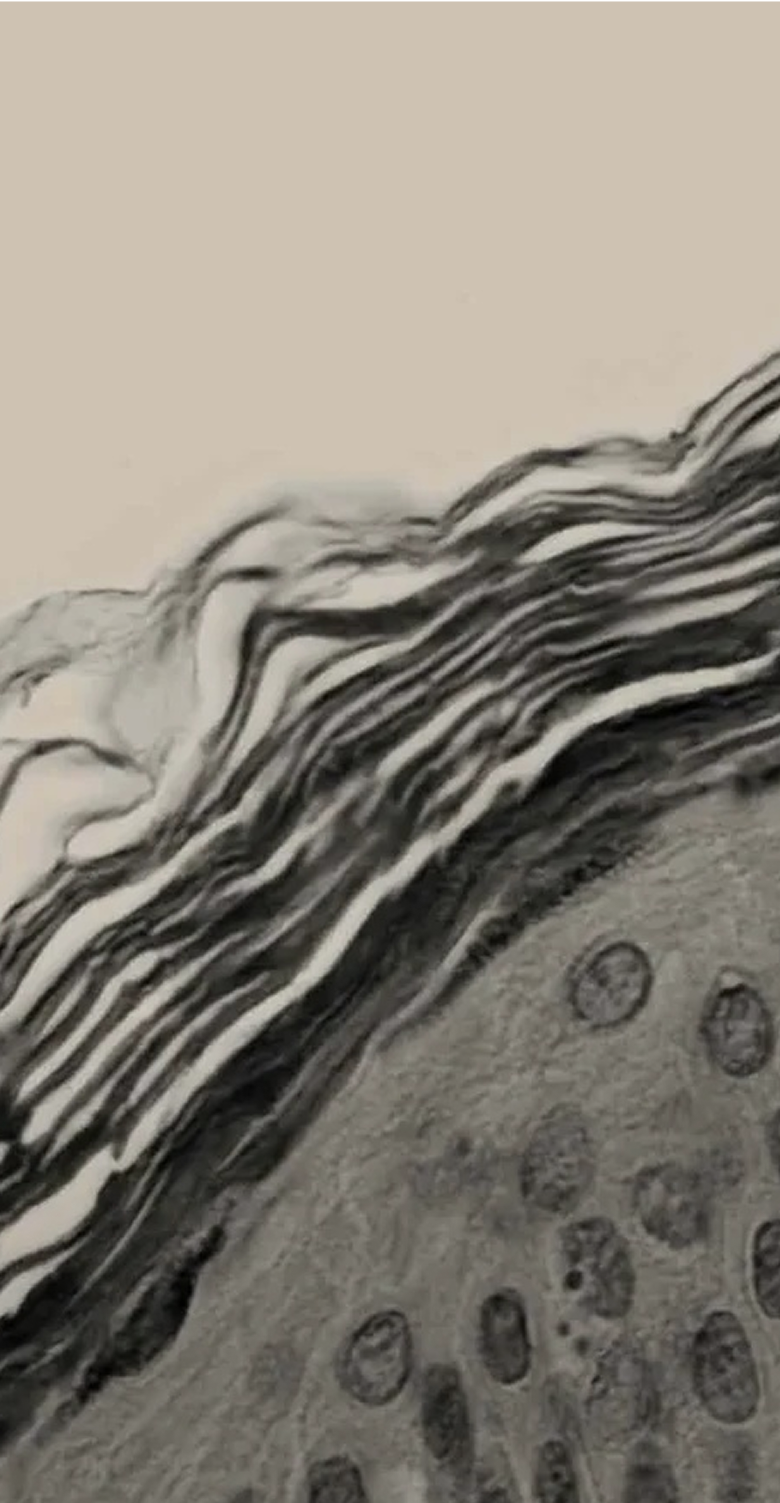
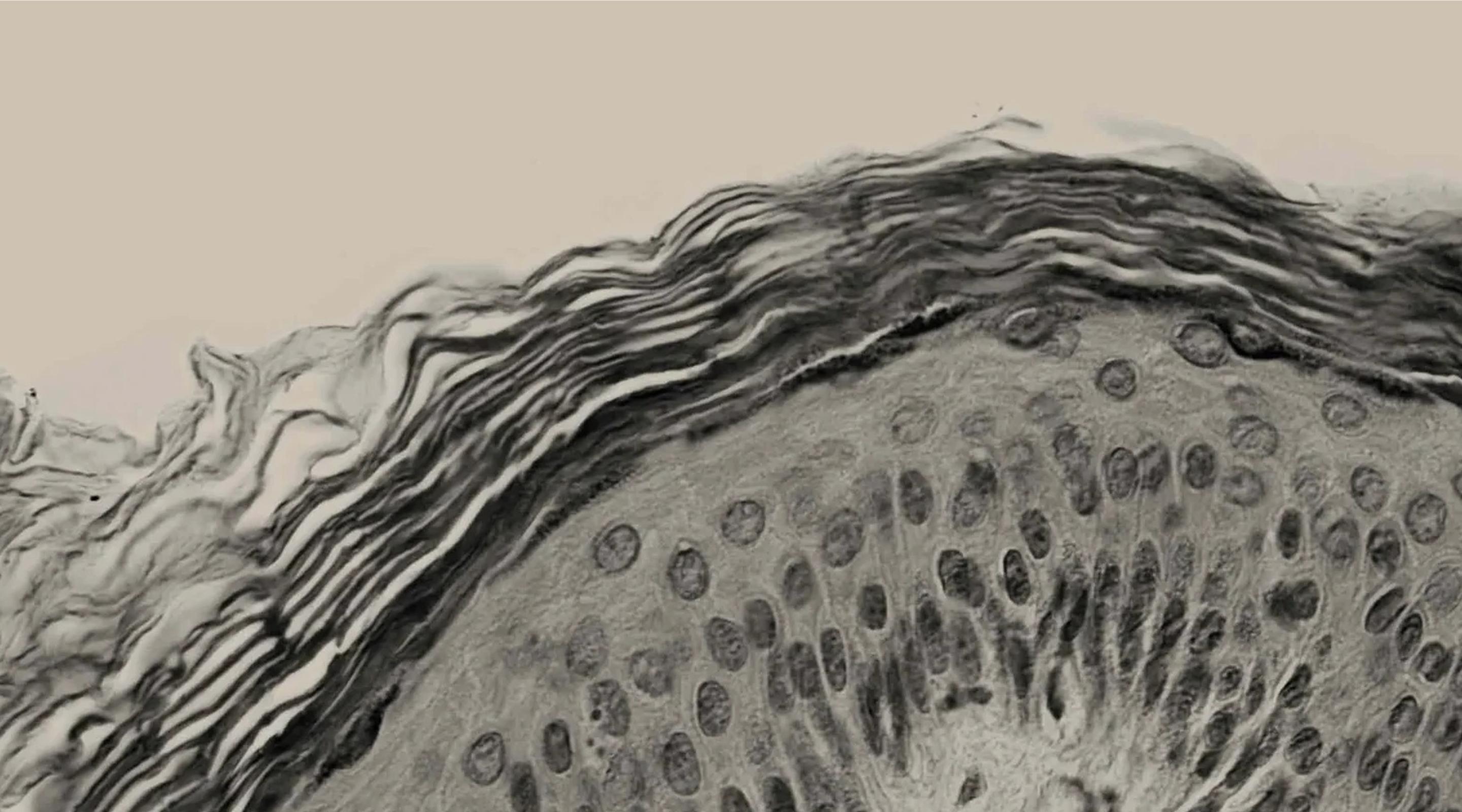
La peau a cinq fonctions principales :
Icône de fonction de protection

PROTECTION

1. Agents nocifs.
2. Perte excessive d'humidité et de protéines.
3. Lésions mécaniques, thermiques et autres lésions physiques.
4. Effets nocifs du rayonnement UV.

Icône de fonction de thermorégulation

THERMORÉGULATION

L'une des fonctions importantes de la peau est de protéger le corps du froid ou de la chaleur, et de maintenir une température interne constante. La sécrétion et l'évaporation de la sueur à la surface de la peau contribuent également à refroidir le corps.

Icône de la fonction de sensation

SENSATION

La peau est l'organe du toucher qui déclenche une réponse si nous touchons ou sentons quelque chose, y compris des choses qui peuvent causer de la douleur ainsi que du plaisir.

Icône de fonction de défense immunitaire

DÉFENSE IMMUNITAIRE

La peau est un organe immunologique important, constitué de structures et de cellules clés complexes. Selon la réponse immunologique, diverses cellules et messagers chimiques (cytokines) peuvent être activés et fonctionner pour protéger le corps.

Icône des fonctions biochimiques

FONCTIONS BIOCHIMIQUES

La peau participe à plusieurs processus biochimiques. Par exemple, en présence de lumière solaire, la vitamine D est synthétisée, ce qui est essentiel à l'absorption normale du calcium et du phosphore (nécessaires à la santé des os).
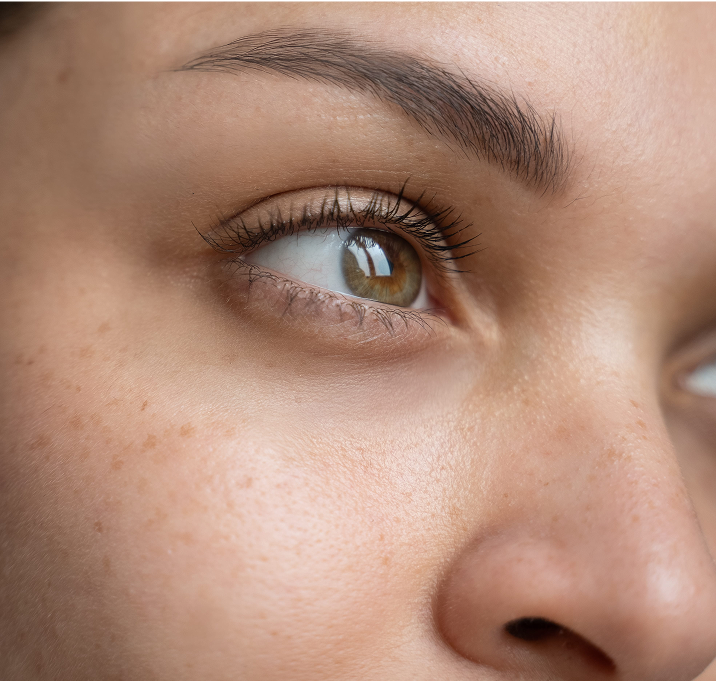
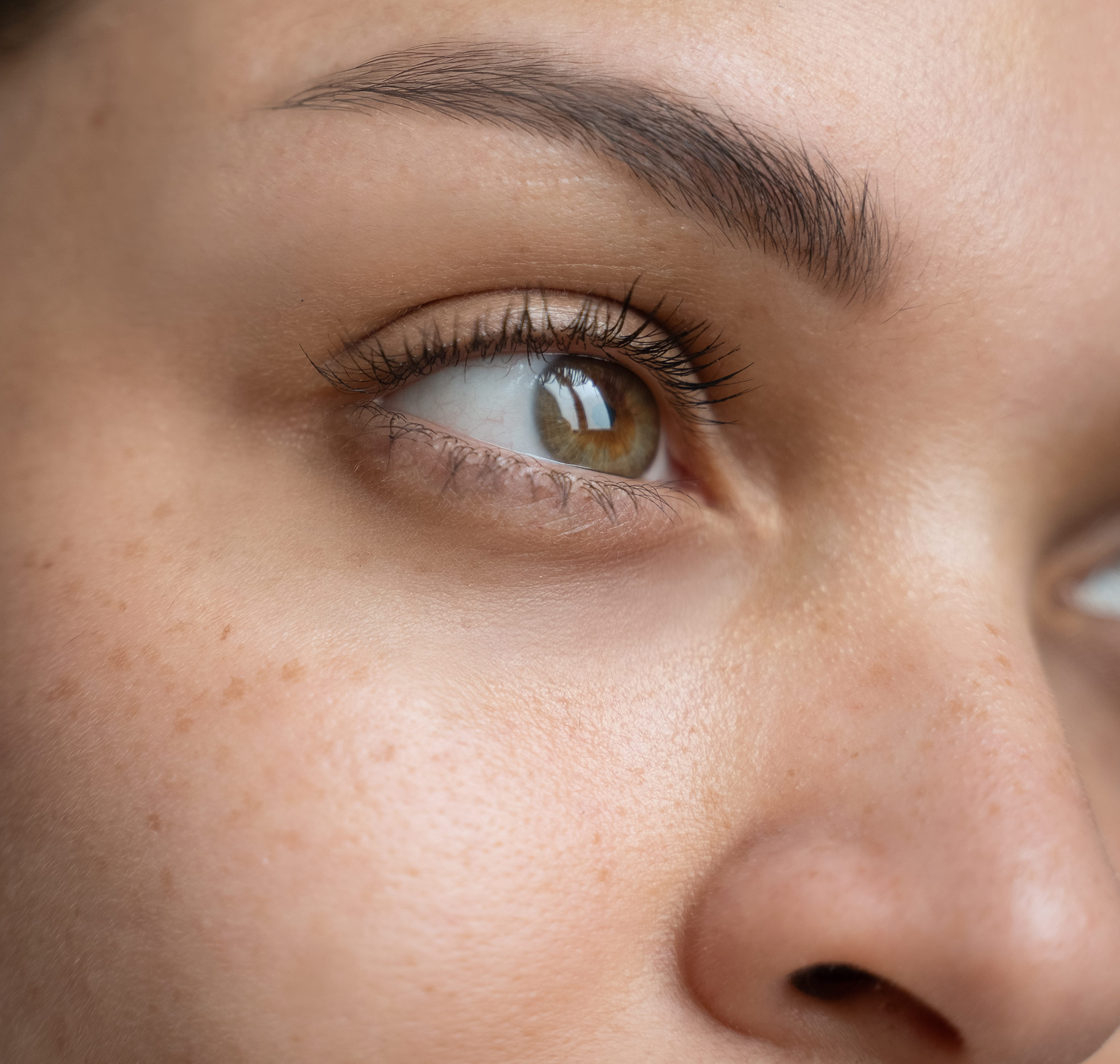
Comprendre la peau :
Épiderme
Derme
Hypoderme
ÉPIDerme: LA COUCHE EXTÉRIEURE
DERME: LA COUCHE INTERMÉDIAIRE
HYPODERME: LA COUCHE ADIPEUX

Bien que l'épiderme soit la couche la plus fine de la peau, sa fonction principale est d'agir comme une barrière physique et biologique contre l'environnement extérieur, empêchant la pénétration des irritants et des allergènes. En même temps, il prévient la perte d'eau et maintient l'homéostasie interne. L'épiderme est composé de couches ; la plupart des zones de la peau ont quatre couches, mais les zones avec la peau la plus épaisse en ont cinq. Les couches sont :

  • Stratum corneum
  • Stratum lucidum
  • Stratum granulosum
  • Stratum spinosum
  • Stratum basale

L'épiderme contient également d'autres structures cellulaires : les kératinocytes, les mélanocytes, les cellules de Langerhans, ainsi que les cellules de Merkel.

Le derme est la couche intermédiaire épaisse de la peau, située sous l'épiderme. Il contient la plupart des cellules et structures spécialisées de la peau, y compris les vaisseaux sanguins, les terminaisons nerveuses, les glandes sudoripares et les follicules pileux.

Le derme est divisé en deux couches :

  • Derme papillaire - la couche supérieure qui se connecte à l'épiderme
  • Derme réticulaire - la couche plus profonde et plus épaisse qui apporte résistance et élasticité

Cette couche est riche en fibres de collagène et d'élastine, qui confèrent à la peau sa résistance, sa flexibilité et sa capacité à retrouver sa forme originale après étirement.

L'hypoderme est la couche sous-cutanée située sous le derme ; il est composé en grande partie de graisse. Cette couche de graisse est la couche la plus profonde de la peau, elle relie essentiellement vos os à vos muscles et à vos os. Elle fournit le principal support structurel de la peau, tout en isolant le corps du froid et en aidant à l'absorption des chocs. Elle est entrelacée de vaisseaux sanguins et de nerfs.

Peau de couleur :

une perspective historique

LA SCIENCE DU SYSTÈME PIGMENTAIRE DE LA MÉLANINE

Bien qu'il y ait eu de nombreuses spéculations philosophiques, religieuses, mythologiques et même scientifiques sur les causes de la couleur de la peau, la science et la médecine nous ont fourni les réponses biologiques à ces observations cliniques.

La peau possède des unités épidermiques responsables de la production et de la distribution de la mélanine, un processus appelé mélanogenèse. Ces unités sont composées d'un mélanocyte entouré de kératinocytes et régulées par un système paracrine fermé. La mélanine est le principal déterminant de la couleur de la peau, des cheveux et des yeux. Elle joue un rôle essentiel dans la photoprotection grâce à sa capacité à absorber le rayonnement ultraviolet (RUV).

LIRE LA SUITE
Diagramme de la répartition de la mélanine dans la peau foncée
Schéma de la répartition de la mélanine sur une peau mate
Diagramme de distribution de la mélanine sur une peau claire