Ondersteuning of advies nodig over onze MOSAIK-producten?
Deskundig advies & Huidwetenschap

Ervaar deskundige huidverzorgingskennis en geavanceerde wetenschap, uniek doordrenkt met de wijsheid van Japanse huidverzorgingsrituelen en slimme ingrediëntformulering.

In deze sectie vind je betrouwbare begeleiding van toonaangevende experts, praktische tips geworteld in Japanse rituelen en educatieve hulpmiddelen om je te helpen je unieke huid te begrijpen.

Je huid begrijpen

Inzicht in uw genetische etnische afkomst (voorouders) kan u niet alleen helpen uw huid te begrijpen en specifieke huidproblemen aan te pakken, maar u ook inzicht geven in effectieve, preventieve zorgmaatregelen. Hoewel zichtbare pigmentatie (melanineniveaus) vaker de huidaandoening en de gevoeligheid voor bepaalde huidproblemen weerspiegelt, is het niet de enige oorzakelijke factor. Het is ook essentieel om de bijdrage van uw algehele welzijn te begrijpen, zowel op een holistische als alomvattende manier.
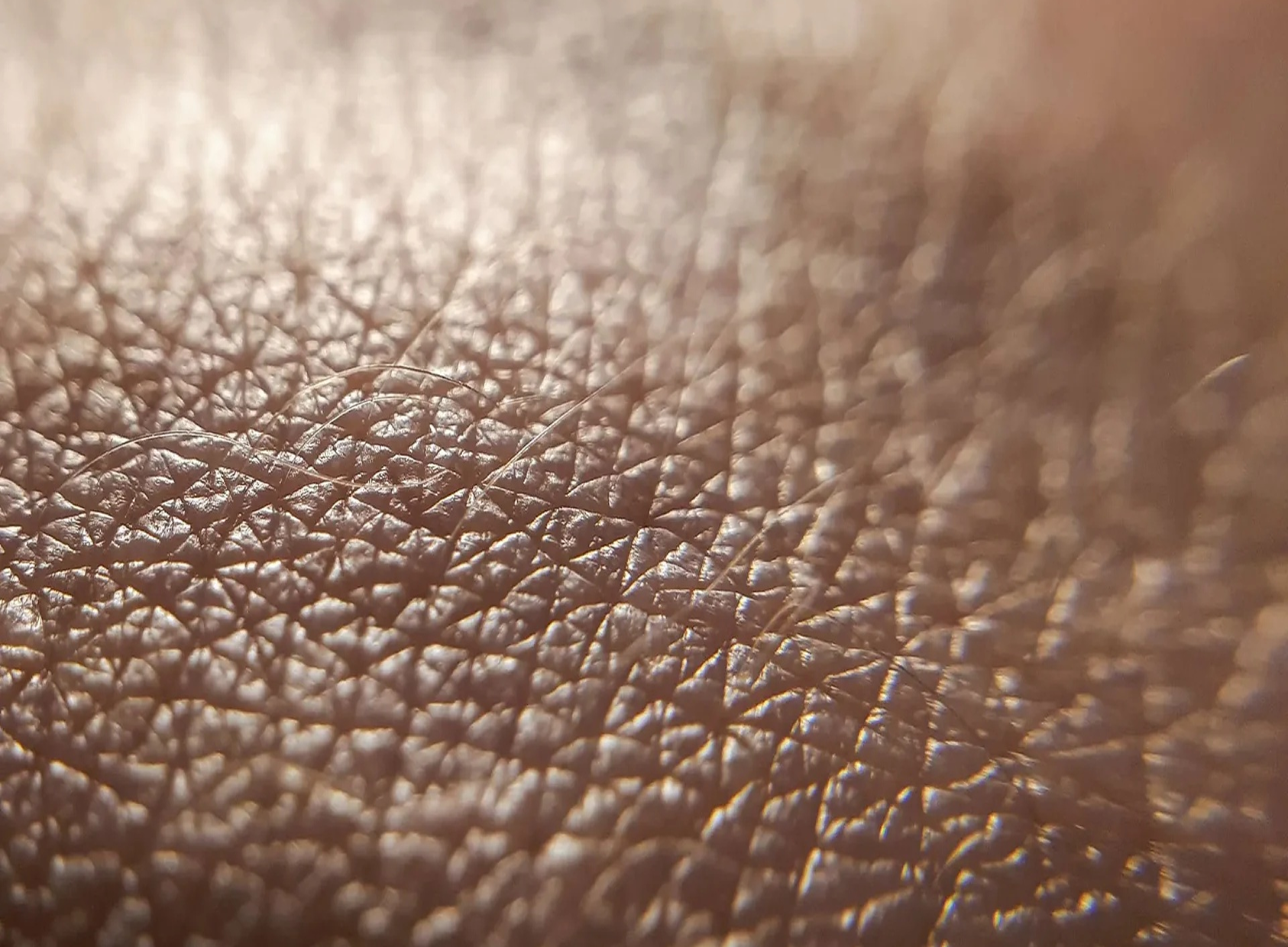
Verschillen in huidaandoeningen

Klik hieronder op een huidaandoening voor meer informatie:

Acne / Breakouts
Ageing & Hyperpigmentation
Balanced Skin
Burns Very Easily and Quickly
Combination Skin (All)
Dark Circles
Dark Spots
Dryness
Dull Skin
Fine Lines / Ageing
Hormonal Skin Concerns
Hyperpigmentation
Large Pores
Loss of Firmness
Never Burns
Oiliness / Large Pores
Other
Pollution
Rarely Burns
Redness / Irritation
Sensitivity
Usually Burns
Acne / Breakouts

Acne / Breakouts

Acne is caused by any blockage of a pore on the skin's surface, there are multiple different types of acne. These obstructions can be caused by individual or combinations of matter including excessive sebum, dead skin cells, bacteria and/or dirt, and can result in inflammation and/or irritation.

Ageing & Hyperpigmentation

Ageing & Hyperpigmentation

Ageing & Hyperpigmentation refer to the chronological effects that influence the skin’s condition, tone, and overall health. The loss of elasticity, tone, brightness, and strength can all be the result of chronological ageing. Hyperpigmentation is the darkening of skin pigment, in comparison to the natural occurring pigment colour of the skin. This can be a result of photodamage, hormonal changes, age, as well as external and/or internal pollutants and/or stressors over the period of a lifetime.

Balanced Skin

Balanced Skin

Refers to skin that has well-balanced sebum and moisture production - it is not too oily and not too dry. Balanced skin has refined pores and no visible blemishes, flaky areas or oily spots.

Burns Very Easily and Quickly

Burns Very Easily and Quickly

Exposure to ultraviolet radiation, UVA or UVB rays always and quickly causes damage to the skin. When the skin burns, not only does the surface appear red and often increase in temperature, it also causes damage to the skin cells. This surface damage can progress to DNA damage which is irreversible and can result in melanoma.

Combination Skin (All)

Combination Skin (All)

Just like the name suggests, this skintype is a combination of different skintypes and can range from very dry to very oily. Different regions of the face can have different skintypes, i.e. the T-zone can be oily with dry skin in alternate areas.

Dark Circles

Dark Circles

Skin under the eyes appears to be darker to that of surrounding areas. This can be caused by a multitude of extrinsic and/or intrinsic factors including lack of sleep, exhaustion, dehydration, or hyperpigmentation.

Dark Spots

Dark Spots

Dark spots are a type of hyperpigmentation. They usually refer to small, isolated marks—often caused by sun exposure (sun spots), post-acne marks (post-inflammatory hyperpigmentation), or healing blemishes. They tend to be surface-level and more defined in shape.

Dryness

Dryness

Dry skin is characterised by less production of natural sebum and as a result, the skin tends to be dry, rough, and sometimes cracked or flaky-looking. Dry skin is more susceptible to irritation and infection as a lack of moisture means that the skin’s protective barrier is compromised.

Dull Skin

Dull Skin

Dull skin is the consequence of an increased ratio of dead skin cells which appear dry and rough in texture. As a consequence, skin lacks luminosity and can have a lacklustre appearance.

Fine Lines / Ageing

Fine Lines / Ageing

The structure of the skin becomes increasingly thin over time due to intrinsic and extrinsic ageing effects, resulting in a depletion of collagen, elastin, and hyaluronic acid. These implications result in the skin becoming progressively dry as well as an increase in the presence of fine lines and wrinkles.

Hormonal Skin Concerns

Hormonal Skin Concerns

Hormonal skin concerns are often due to an imbalance in the bodies naturally occurring hormones such as progesterone, testosterone and estrogen. These hormones communicate with sebaceous glands (sebum production) and can result in adverse effects such as acne or hyperpigmentation.

Hyperpigmentation

Hyperpigmentation

Hyperpigmentation is the darkening of skin pigment, in comparison to the natural occurring pigment colour of the skin. This can be a result of photodamage, hormonal changes, age, as well as external and/or internal pollutants and/or stressors over the period of a lifetime.

Large Pores

Large Pores

Large pores are predetermined (genetic); however, how they appear may be influenced by intrinsic or extrinsic factors. Examples include, excessive levels of sebum being produced, ageing, overall condition of the skin, stress, inflammation and acne, and even lifestyle habits such as smoking.

Loss of Firmness

Loss of Firmness

The structure of skin becomes increasingly thin over time due to intrinsic and extrinsic ageing effects. This is a consequence of a depletion in collagen, elastin, and hyaluronic acid. The skin can consequently sag or appear crepey.

Never Burns

Never Burns

Exposure to ultraviolet radiation, UVA or UVB rays does not easily cause damage to the skin. Never burning suggests that there is no appearance of redness on the skin, and the likelihood of damage to the skin cells is reduced, this damage could otherwise progress to DNA damage which is irreversible and can result in melanoma.

Oiliness / Large Pores

Oiliness / Large Pores

Oily skin occurs where sebaceous glands produce excess sebum, consequently the individual is prone to breakouts, blackheads and acne. Pores are generally visibly larger and the skin surface shiny.

Other

Other

A skin concern that does not fit into any other defined category of concern, but is of a specific and notable concern to the individual.

Pollution

Pollution

Daily exposure to air pollution—like fine dust, smoke, and environmental toxins—can disrupt the skin’s natural balance, leading to skin that is highly reactive and sensitive. Skin can become dull, dehydrated, inflamed or prone to breakouts as the barrier function weakens.

Rarely Burns

Rarely Burns

Exposure to ultraviolet radiation, UVA or UVB rays rarely causes damage to the skin. Rarely burning suggests that there is an infrequent appearance of redness on the skin, and the likelihood of damage to the skin cells is reduced, this damage could otherwise progress to DNA damage which is irreversible and can result in melanoma.

Redness / Irritation

Redness / Irritation

Skin that changes in physical appearance and texture due to external or internal factors. For example, sunburn or blocked pores can result in inflammation, uneven surface, itchiness and irritation, and in severe cases, pain.

Sensitivity

Sensitivity

Sensitive skintypes have skin that becomes flushed and red easily, possesses dry patches, is easily itchy/irritated, and displays hypersensitivity to changes in weather (temperature). Sensitive skintypes often have difficulty switching products as they can react quickly to ingredients that are too harsh or irritating for their skin.

Usually Burns

Usually Burns

Exposure to ultraviolet radiation, UVA or UVB rays usually causes damage to the skin. When the skin burns, not only does the surface appear red and often increase in temperature, it can also cause damage to the skin cells. This surface damage can progress to DNA damage which is irreversible and can result in skin cancers.

Klik hieronder op een huidaandoening voor meer informatie:

Acne / Breakouts
Acne / Breakouts
Ageing & Hyperpigmentation
Balanced Skin
Burns Very Easily and Quickly
Combination Skin (All)
Dark Circles
Dark Spots
Dryness
Dull Skin
Fine Lines / Ageing
Hormonal Skin Concerns
Hyperpigmentation
Large Pores
Loss of Firmness
Never Burns
Oiliness / Large Pores
Other
Pollution
Rarely Burns
Redness / Irritation
Sensitivity
Usually Burns
Acne / Breakouts
Acne / Breakouts

Acne is caused by any blockage of a pore on the skin's surface, there are multiple different types of acne. These obstructions can be caused by individual or combinations of matter including excessive sebum, dead skin cells, bacteria and/or dirt, and can result in inflammation and/or irritation.

Ageing & Hyperpigmentation

Ageing & Hyperpigmentation refer to the chronological effects that influence the skin’s condition, tone, and overall health. The loss of elasticity, tone, brightness, and strength can all be the result of chronological ageing. Hyperpigmentation is the darkening of skin pigment, in comparison to the natural occurring pigment colour of the skin. This can be a result of photodamage, hormonal changes, age, as well as external and/or internal pollutants and/or stressors over the period of a lifetime.

Balanced Skin
Balanced Skin

Refers to skin that has well-balanced sebum and moisture production - it is not too oily and not too dry. Balanced skin has refined pores and no visible blemishes, flaky areas or oily spots.

Burns Very Easily and Quickly

Exposure to ultraviolet radiation, UVA or UVB rays always and quickly causes damage to the skin. When the skin burns, not only does the surface appear red and often increase in temperature, it also causes damage to the skin cells. This surface damage can progress to DNA damage which is irreversible and can result in melanoma.

Combination Skin (All)

Just like the name suggests, this skintype is a combination of different skintypes and can range from very dry to very oily. Different regions of the face can have different skintypes, i.e. the T-zone can be oily with dry skin in alternate areas.

Dark Circles
Dark Circles

Skin under the eyes appears to be darker to that of surrounding areas. This can be caused by a multitude of extrinsic and/or intrinsic factors including lack of sleep, exhaustion, dehydration, or hyperpigmentation.

Dark Spots
Dark Spots

Dark spots are a type of hyperpigmentation. They usually refer to small, isolated marks—often caused by sun exposure (sun spots), post-acne marks (post-inflammatory hyperpigmentation), or healing blemishes. They tend to be surface-level and more defined in shape.

Dryness
Dryness

Dry skin is characterised by less production of natural sebum and as a result, the skin tends to be dry, rough, and sometimes cracked or flaky-looking. Dry skin is more susceptible to irritation and infection as a lack of moisture means that the skin’s protective barrier is compromised.

Dull Skin
Dull Skin

Dull skin is the consequence of an increased ratio of dead skin cells which appear dry and rough in texture. As a consequence, skin lacks luminosity and can have a lacklustre appearance.

Fine Lines / Ageing
Fine Lines / Ageing

The structure of the skin becomes increasingly thin over time due to intrinsic and extrinsic ageing effects, resulting in a depletion of collagen, elastin, and hyaluronic acid. These implications result in the skin becoming progressively dry as well as an increase in the presence of fine lines and wrinkles.

Hormonal Skin Concerns

Hormonal skin concerns are often due to an imbalance in the bodies naturally occurring hormones such as progesterone, testosterone and estrogen. These hormones communicate with sebaceous glands (sebum production) and can result in adverse effects such as acne or hyperpigmentation.

Hyperpigmentation
Hyperpigmentation

Hyperpigmentation is the darkening of skin pigment, in comparison to the natural occurring pigment colour of the skin. This can be a result of photodamage, hormonal changes, age, as well as external and/or internal pollutants and/or stressors over the period of a lifetime.

Large Pores
Large Pores

Large pores are predetermined (genetic); however, how they appear may be influenced by intrinsic or extrinsic factors. Examples include, excessive levels of sebum being produced, ageing, overall condition of the skin, stress, inflammation and acne, and even lifestyle habits such as smoking.

Loss of Firmness
Loss of Firmness

The structure of skin becomes increasingly thin over time due to intrinsic and extrinsic ageing effects. This is a consequence of a depletion in collagen, elastin, and hyaluronic acid. The skin can consequently sag or appear crepey.

Never Burns
Never Burns

Exposure to ultraviolet radiation, UVA or UVB rays does not easily cause damage to the skin. Never burning suggests that there is no appearance of redness on the skin, and the likelihood of damage to the skin cells is reduced, this damage could otherwise progress to DNA damage which is irreversible and can result in melanoma.

Oiliness / Large Pores

Oily skin occurs where sebaceous glands produce excess sebum, consequently the individual is prone to breakouts, blackheads and acne. Pores are generally visibly larger and the skin surface shiny.

Other
Other

A skin concern that does not fit into any other defined category of concern, but is of a specific and notable concern to the individual.

Pollution
Pollution

Daily exposure to air pollution—like fine dust, smoke, and environmental toxins—can disrupt the skin’s natural balance, leading to skin that is highly reactive and sensitive. Skin can become dull, dehydrated, inflamed or prone to breakouts as the barrier function weakens.

Rarely Burns
Rarely Burns

Exposure to ultraviolet radiation, UVA or UVB rays rarely causes damage to the skin. Rarely burning suggests that there is an infrequent appearance of redness on the skin, and the likelihood of damage to the skin cells is reduced, this damage could otherwise progress to DNA damage which is irreversible and can result in melanoma.

Redness / Irritation

Skin that changes in physical appearance and texture due to external or internal factors. For example, sunburn or blocked pores can result in inflammation, uneven surface, itchiness and irritation, and in severe cases, pain.

Sensitivity
Sensitivity

Sensitive skintypes have skin that becomes flushed and red easily, possesses dry patches, is easily itchy/irritated, and displays hypersensitivity to changes in weather (temperature). Sensitive skintypes often have difficulty switching products as they can react quickly to ingredients that are too harsh or irritating for their skin.

Usually Burns
Usually Burns

Exposure to ultraviolet radiation, UVA or UVB rays usually causes damage to the skin. When the skin burns, not only does the surface appear red and often increase in temperature, it can also cause damage to the skin cells. This surface damage can progress to DNA damage which is irreversible and can result in skin cancers.

Het Opbouwen van de Beste Huidroutine

Om uw huid op de juiste manier te voeden en te verzorgen, is het belangrijk dat u de beste huidverzorgingspraktijken voor uw huid kent, evenals de geschikte ingrediënten voor uw huidtype.

Doe de huidtest
Uw Huid Begrijpen

De structuren en functies van de huid

De huid is het grootste en misschien wel het belangrijkste orgaan van ons lichaam, verdeeld in verschillende lagen en goed voor ongeveer 15% van ons totale lichaamsgewicht.
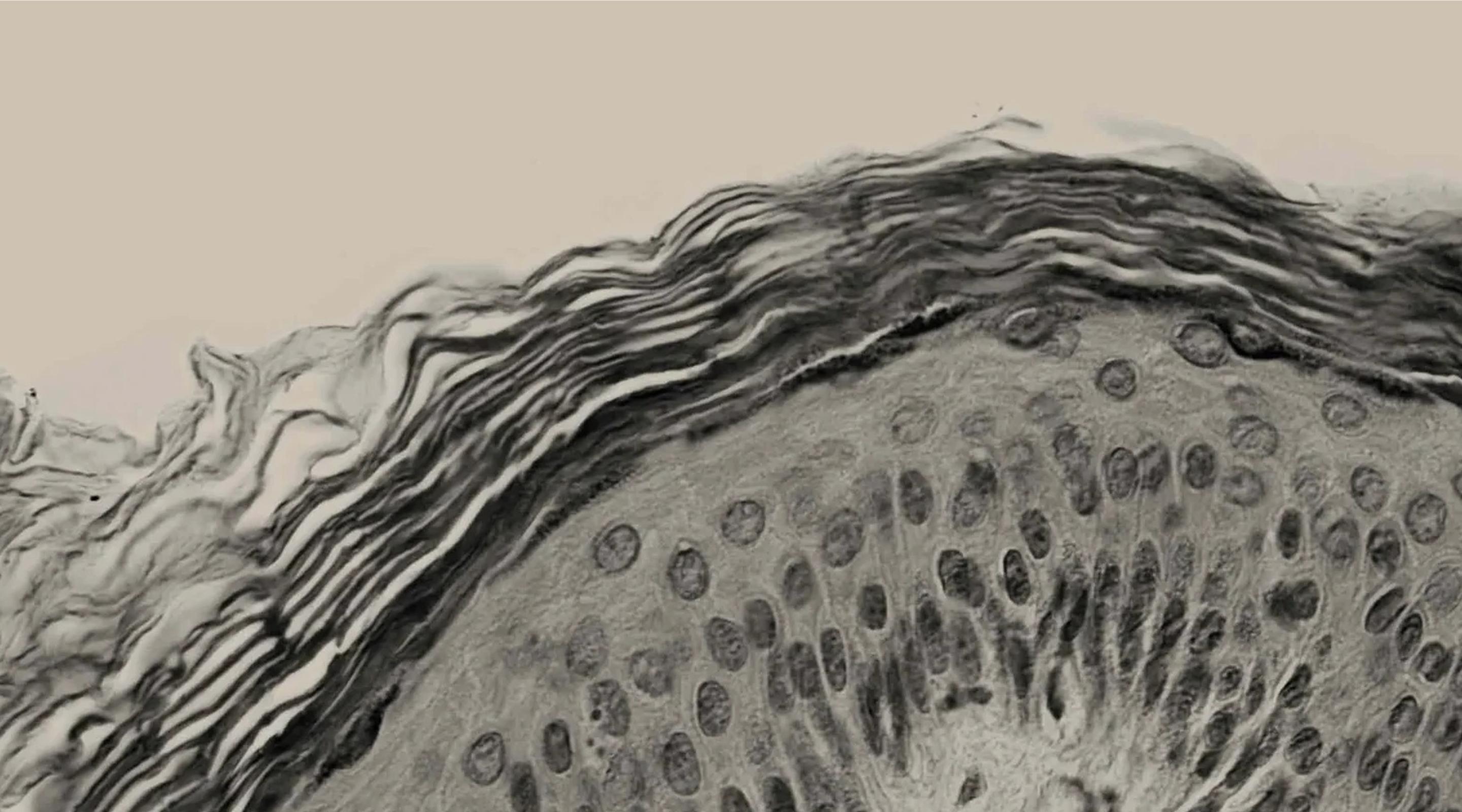
De huid heeft vijf hoofdfuncties:
Pictogram beveiligingsfunctie

BESCHERMING

1. Schadelijke stoffen.
2. Overmatig verlies van vocht en proteïne.
3. Mechanische, thermische en andere fysieke beschadiging.
4. Schadelijke effecten van UV-straling.

Pictogram thermoregulatie

THERMOREGULATIE

Eén van de belangrijke functies van de huid is het lichaam te beschermen tegen kou of hitte en een constante kerntemperatuur te handhaven. De afscheiding en verdamping van zweet van het huidoppervlak helpt ook om het lichaam af te koelen.

Pictogram zintuigfunctie

SENSATIE

De huid is het 'tastzintuig' dat een reactie teweegbrengt als we iets aanraken of voelen, inclusief dingen die pijn of genot kunnen veroorzaken.

Icoon voor de immuunafweerfunctie

IMMUUNAFWEER

De huid is een belangrijk immunologisch orgaan, opgebouwd uit complexe sleutelstructuren en cellen. Afhankelijk van de immunologische respons kan een verscheidenheid aan cellen en chemische boodschappers (cytokines) worden geactiveerd en functioneren om het lichaam te beschermen.

Pictogram biochemische functies

BIOCHEMISCHE FUNCTIES

De huid is betrokken bij verschillende biochemische processen. Zo wordt er, onder invloed van zonlicht, vitamine D gesynthetiseerd, wat essentieel is voor de normale opname van calcium en fosfor (nodig voor gezonde botten).
De Huid Begrijpen:
Opperhuid
Lederhuid
Hypodermis
OPPERHUID: DE BUITENSTE LAAG
LEDERHUID: DE MIDDENLAAG
HYPODERMIS: DE VETLAAG

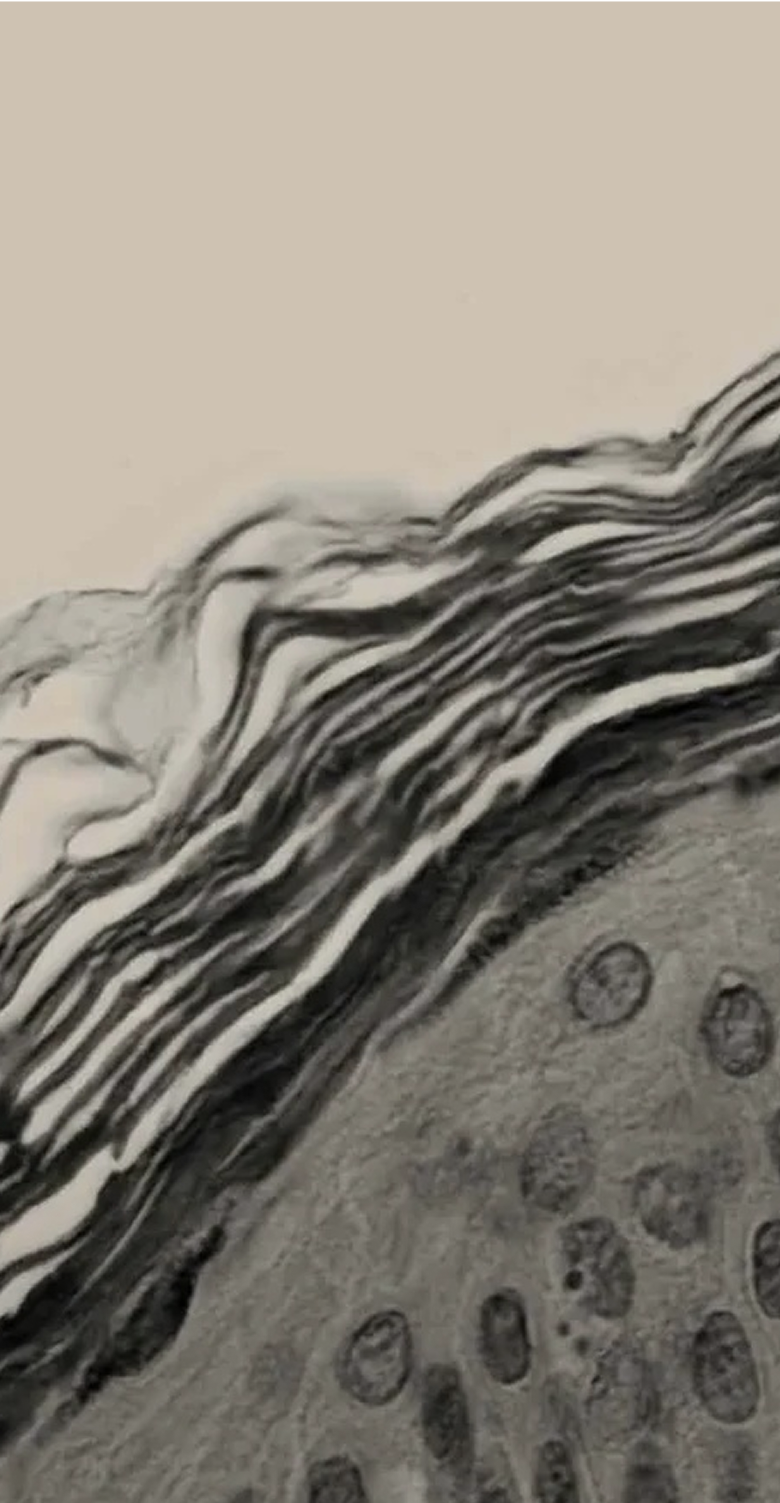
Hoewel de opperhuid de dunste laag van de huid is, is de belangrijkste functie van deze laag om te fungeren als een fysieke en biologische barrière voor de externe omgeving, waardoor penetratie door irriterende stoffen en allergenen wordt voorkomen. Tegelijkertijd voorkomt het waterverlies en handhaaft het de interne homeostase. De opperhuid bestaat uit lagen; de meeste huidgedeelten hebben vier lagen, maar de gedeelten met de dikste huid hebben er vijf. De lagen zijn:

  • Stratum corneum
  • Stratum lucidum
  • Stratum granulosum
  • Stratum spinosum
  • Stratum basale

De opperhuid bevat ook andere celstructuren: keratinocyten, melanocyten, Langerhans-cellen, evenals Merkel-cellen.

De dermis is de dikke middelste huidlaag die onder de opperhuid ligt. Het bevat de meeste gespecialiseerde cellen en structuren van de huid, waaronder bloedvaten, zenuwuiteinden, zweetklieren en haarzakjes.

De dermis is verdeeld in twee lagen:

  • Papillaire dermis - de bovenste laag die verbonden is met de opperhuid
  • Reticulaire dermis - de diepere, dikkere laag die zorgt voor stevigheid en elasticiteit

Deze laag is rijk aan collageen- en elastinevezels, die de huid haar stevigheid, flexibiliteit en het vermogen om na uitrekking terug te keren naar de oorspronkelijke vorm geven.

De hypodermis is de onderhuidse laag die onder de dermis ligt; deze bestaat grotendeels uit vet. Deze vetlaag is de diepste huidlaag, die in feite je botten aan je spieren en botten hecht. Het biedt de belangrijkste structurele ondersteuning voor de huid, isoleert het lichaam tegen kou en helpt bij de schokabsorptie. Het is doorkruist met bloedvaten en zenuwen.

Huidskleur:

Een Historisch Perspectief

DE WETENSCHAP VAN HET MELANINE PIGMENTSYSTEEM

Hoewel er veel filosofische, religieuze, mythologische en zelfs wetenschappelijke speculatie is geweest over de oorzaken van huidskleur, hebben de wetenschap en geneeskunde ons de biologische antwoorden gegeven op deze klinische observaties.

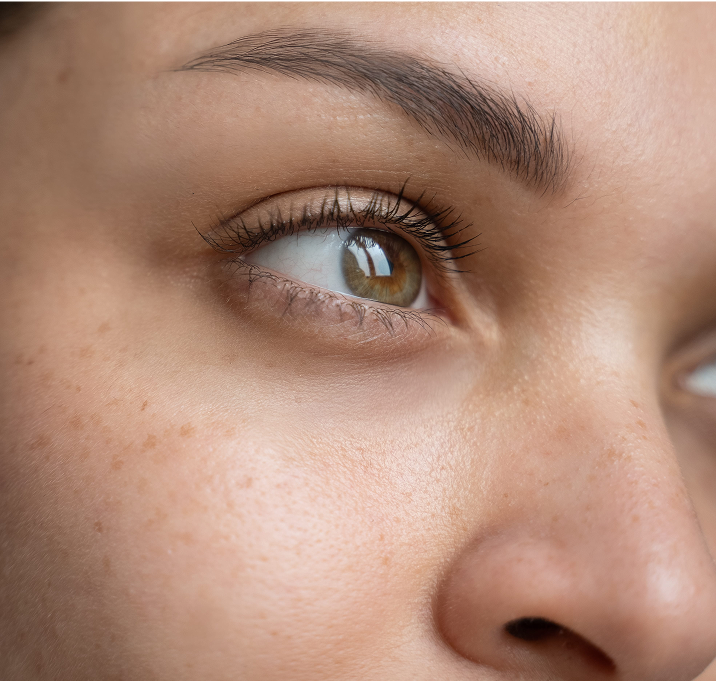
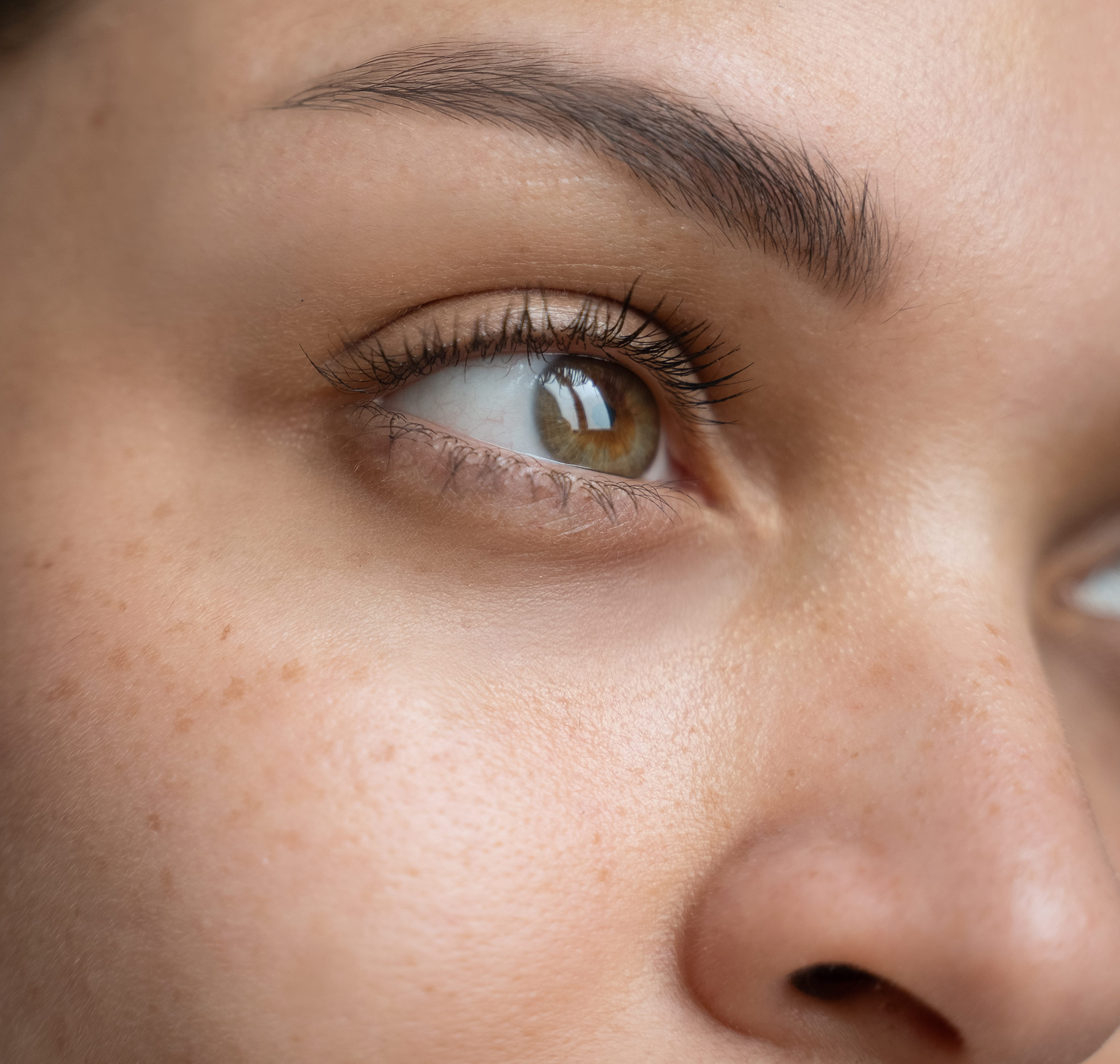
De huid heeft epidermale eenheden die verantwoordelijk zijn voor de melanineproductie en -distributie, een proces dat melanogenese wordt genoemd. Deze eenheden bestaan uit een melanocyt omringd door keratinocyten en worden gereguleerd door een gesloten paracrien systeem. Melanine is de primaire bepaler van huid-, haar- en oogkleur. En speelt een cruciale rol bij fotobescherming vanwege zijn vermogen om ultraviolette straling (UVR) te absorberen.

LEES MEER
Distributiediagram van melanine bij de donkere huid
Huidmelanineverdelingsdiagram voor medium huidtinten
Diagram van de melanineverdeling bij lichte huid