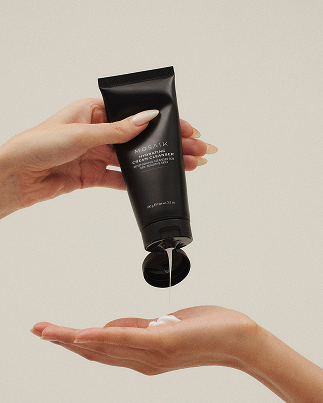


As many of you know by now, at MOSAIK, we do not believe in anti-ageing. We believe in skin health, sustained, supported, and strengthened over time. We understand and support the belief that ageing is not something to correct. It is something to accept, acknowledge, and accompany.
In Japan, this philosophy has long existed not only in skincare rituals, but alongside other cultural habits, rituals and of course at the table. Beyond the globally recognised matcha, miso, natto, osu (vinegar), etc - there are lesser-known, deeply rooted ingredients that many Japanese households grow up with, foods that quietly reinforce and support our inner systems which help to lower inflammation, increase cellular turnover and generally enhance skin resilience and therefore health.
Skincare and skin health is dynamic and needs to be approached in a holistic and well-rounded way. Afterall, resilience, not reversal, is what allows skin (and other part of our body) to thrive through time.

1. Hatomugi— Hydration and Texture Support
Traditionally consumed as hatomugi tea, this grain has long been associated in Japan with clearer, smoother skin.
Nutritionally, hatomugi contains amino acids and antioxidant compounds that support hydration pathways and help reduce oxidative stress. Amino acids are fundamental to maintaining the skin’s Natural Moisturising Factor (NMF), which keeps the barrier supple and less prone to roughness.
When the barrier is hydrated and intact, texture improves naturally.
2. Black Sesame — Oxidative Protection
Darker and more nutrient-dense than white sesame, black sesame is rich in vitamin E and sesamin, compounds studied for their antioxidant capacity.
Oxidative stress is one of the primary contributors to collagen degradation and loss of elasticity. While topical antioxidants help protect the skin’s surface, systemic antioxidant intake plays a complementary role in defending against environmental stressors.
Protection, in Japan, is layered — internal and external.
Similarly, MOSAIK’s formulations are designed to reduce unnecessary inflammation and environmental burden, supporting skin longevity rather than stimulating it aggressively.
3. Kōya-dōfu — Structural Support
Originating from Buddhist temple cuisine, kōya-dōfu is highly concentrated in plant protein, calcium, and isoflavones.
Protein provides the amino acid building blocks required for collagen and elastin synthesis. Isoflavones, naturally occurring in soy, have been studied for their role in supporting skin elasticity, particularly as hormonal rhythms shift over time.
Collagen production is not something we can “force” topically. But we can support the environment in which it functions.
4. Myōga — Circulation and Calm
Often used as a garnish, myōga (Japanese ginger bud) is traditionally believed to stimulate circulation and reduce inflammation.
Healthy circulation supports nutrient delivery and cellular turnover. Reduced inflammation supports clarity and comfort.
Skin that is calm and well-circulated appears brighter — not because it is polished, but because it is balanced.
5. Sake Kasu — Amino Acids and Brightness
The lees left behind from sake fermentation are rich in kojic acid, peptides, and amino acids. Kojic acid has long been recognised for its brightening properties, while peptides and amino acids support hydration and skin softness.
Fermentation enhances bioavailability — breaking compounds down into forms the body can more readily use.
6. Biwacha — Inflammation Regulation
Loquat leaf tea has been consumed as a home remedy for generations. It is traditionally believed to reduce inflammation and support systemic balance.
Inflammation is one of the underlying contributors to accelerated ageing. Calm systems age better.
8. Kurumi Miso — Barrier Support from Within
A regional speciality combining fermented miso with omega-3-rich walnuts, walnut miso delivers probiotics alongside essential fatty acids.
Omega-3s support barrier integrity and elasticity. Fermented foods support microbiome diversity.
Barrier strength — whether on the skin or in the gut — is central to resilience.
9. Purple Japanese Sweet Potato — Collagen Protection
Deeply pigmented purple sweet potatoes are high in anthocyanins, potent antioxidants that help protect collagen fibres from oxidative damage.
Collagen does not only need stimulation — it needs protection.

Japanese Ingredients
Japanese food and cuisine is celebrated and enjoyed all of the world. It is considered refined, delicious, beautiful, delicate, but what we believe is extra noteworthy, is that there is so much intention behind the foods that Japanese eat and what purpose they carry. Japanese food culture teaches us something important: ageing well is cumulative. It is quiet. It is rhythmic. It can be enjoyed.
Skin resilience depends on:
-
Reduced inflammation
-
Strong barrier function
-
Stable circulation
-
Antioxidant protection
-
Consistent nourishment
This is why we embrace a minimal, versatile skincare routine. Cleansing without stripping. Nourishing without overwhelming. Exfoliating gently at night in rhythm with natural renewal. MOSAIK believes in simplicity, gentleness, and in essence the power of what our bodies can truly achieve when we are patient and allow for healing and turnover to occur.
And we formulate in Japan with mixed ethnic skin types as well as different skin profiles in mind — because resilience looks different on every complexion. Afterall, there is no singular template for “perfect” skin.
Love Your Skin - Because beautiful skin is not frozen in time. It is supported through it.