



A science-led look at skin health, the barrier, and how to build a routine that actually supports your skin
If you’ve tried countless skincare products and still feel like your skin isn’t improving, or worse, feels more sensitive, reactive, or unpredictable, you’re not alone.
The truth is, skincare often fails not because products are “bad,” but because they are misaligned with how skin biology actually works.
At MOSAIK, we believe skin health is not about correction or control. It’s about understanding, adaptation, and respect for the skin’s natural systems.
Let’s explore the real reasons your skincare products might not be working, and what your skin is trying to tell you.
1. Your Skin Barrier Is Compromised (Even If It Looks Fine)
The skin barrier is essential for healthy skin function. It regulates hydration, protects against environmental stressors, and supports the skin’s immune response.
When the barrier is disrupted:
-
Moisture escapes (transepidermal water loss)
-
Skin becomes more reactive and inflamed
-
Actives penetrate too deeply and cause irritation
-
Breakouts and dryness can coexist
Over-cleansing, frequent exfoliation, and strong actives used without adequate barrier support are some of the most common causes of barrier damage.
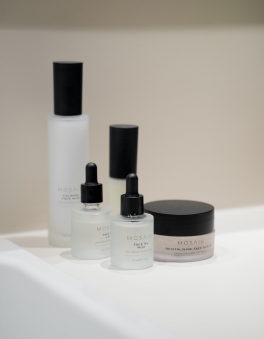
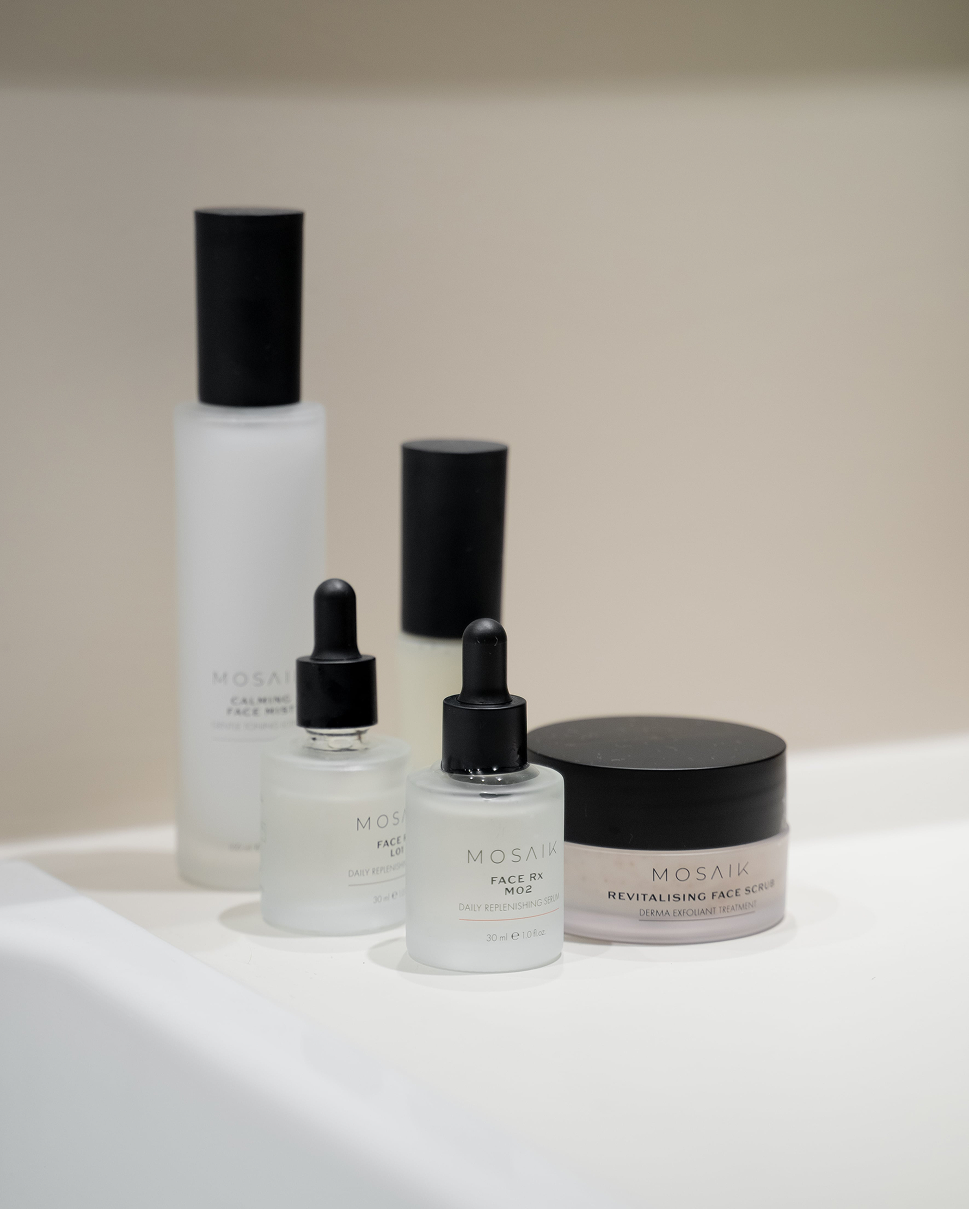
This is why MOSAIK formulations are designed to be barrier-safe, supporting the lipid structure of the skin rather than stripping it.
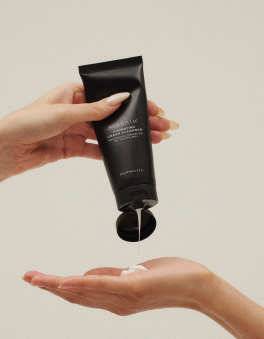
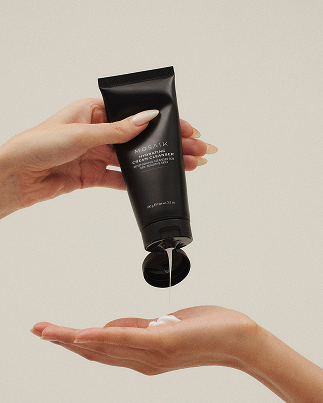
A gentle, non-disruptive cleanse — such as MOSAIK’s DuoCleanser Set — helps maintain barrier integrity while effectively removing impurities.
2. You’re Using Too Many Actives — Not Too Few
Modern skincare often encourages layering multiple serums, acids, and treatments. But skin has a limit.
Overuse of actives can:
-
Disrupt cellular signalling
-
Slow down natural repair cycles
-
Increase chronic inflammation
-
Make skin less responsive over time
Skin cells regenerate on a cycle of approximately 28–40 days, depending on age and physiology. Constantly “pushing” the skin interrupts this rhythm.
Often, skin improves when routines are simplified and focused on support rather than stimulation.
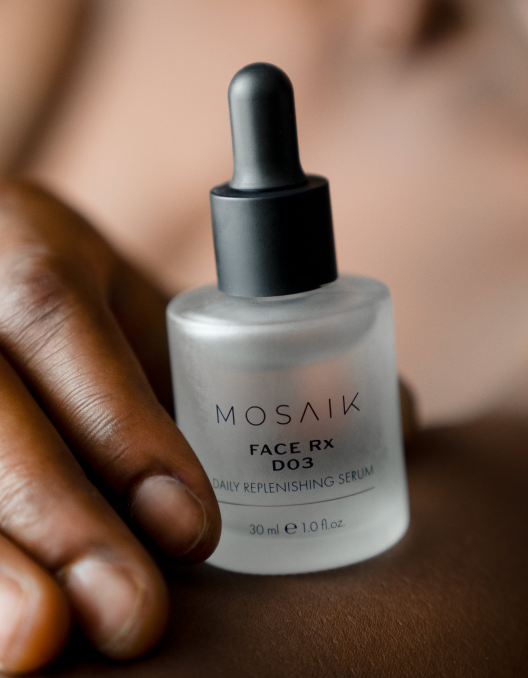
Products like FaceRx L01 are formulated to work with the skin’s natural processes, not override them.
3. Your Routine Isn’t Adapting to Your Skin’s Changing Needs
Skin is dynamic. It responds to:
-
Seasonal changes
-
Stress and sleep
-
Hormonal fluctuations
-
Travel, pollution, and climate
Yet many routines stay fixed.
What works in summer may feel heavy or congesting in winter. What once soothed the skin may suddenly irritate it.
MOSAIK was created around the idea that skincare should be versatile, allowing you to adjust textures and usage depending on your skin’s current state.
A multi-purpose product like Face+Balm can be layered, thinned, or used as targeted care depending on what your skin needs that day.
4. Potency Is Often Confused With Efficacy
High concentrations and “clinical strength” claims are often mistaken for effectiveness.
In reality, efficacy depends on:
-
Formulation stability
-
Delivery systems
-
Skin compatibility
-
Long-term tolerability
An ingredient that looks impressive on paper may fail on the skin if it compromises the barrier or causes inflammation.
Healthy skin responds best to consistent, low-stress care, not shock treatment.
5. You’ve Been Taught to Fight Ageing Instead of Supporting Skin Health
Ageing is a natural biological process — not a problem to fix.
As skin matures:
-
Lipid production slows
-
Cell turnover decreases
-
Barrier recovery takes longer
Skincare cannot (and should not) attempt to stop this. Instead, it should support the skin’s changing needs at every stage of life.
MOSAIK does not believe in anti-ageing. We believe in skin health, resilience, and longevity.
What Actually Works?
Skincare works when it:
-
Protects and repairs the skin barrier
-
Uses fewer, smarter formulations
-
Adapts to daily and seasonal changes
-
Reduces chronic inflammation
-
Respects skin diversity
Your skin isn’t failing. It’s communicating.
When you listen — and respond with intention — skincare stops being frustrating and starts being supportive.